Speculative Design Brief
Experience Activation, Storytelling, Design Strategy
Tools: Affinity Photo, Figma, Google Slides, Gemini
Duration: 48 hours
Designing a Pop-up experience for FILA's limited edition shoe
Context
FILA is launching a limited-edition shoe in Mumbai. They want to create a 10 meter × 10 meter pop-up store that excites sneakerheads and casual shoppers alike, while showcasing FILA’s brand story of movement, culture, and creativity.
Challenge
Design a small but powerful journey where tech, space, and story come together. Focus on the following:
How would you design the visitor journey for both a 10-minute passerby and a 30-minute engaged fan?
Where in the space would you introduce tech experiences?
How can the pop-up feel immersive, shareable, and modular, despite the small footprint?
What benchmarks or quick primary research would you look at before designing this experience?
Deliverable
A single presentation or concept output (deck, storyboard, sketch, or lo-fi prototype) that clearly communicates:
The overarching theme (e.g., “Future of Movement”)
The visual flow of the visitor journey (10-min vs 30-min) with tech touchpoints
The concept of interactivity - what happens when someone enters/engages with the experience
A quick sketch, flow, or mockup showing how the pop-up would look and feel

The Solution

Clarifying Goals
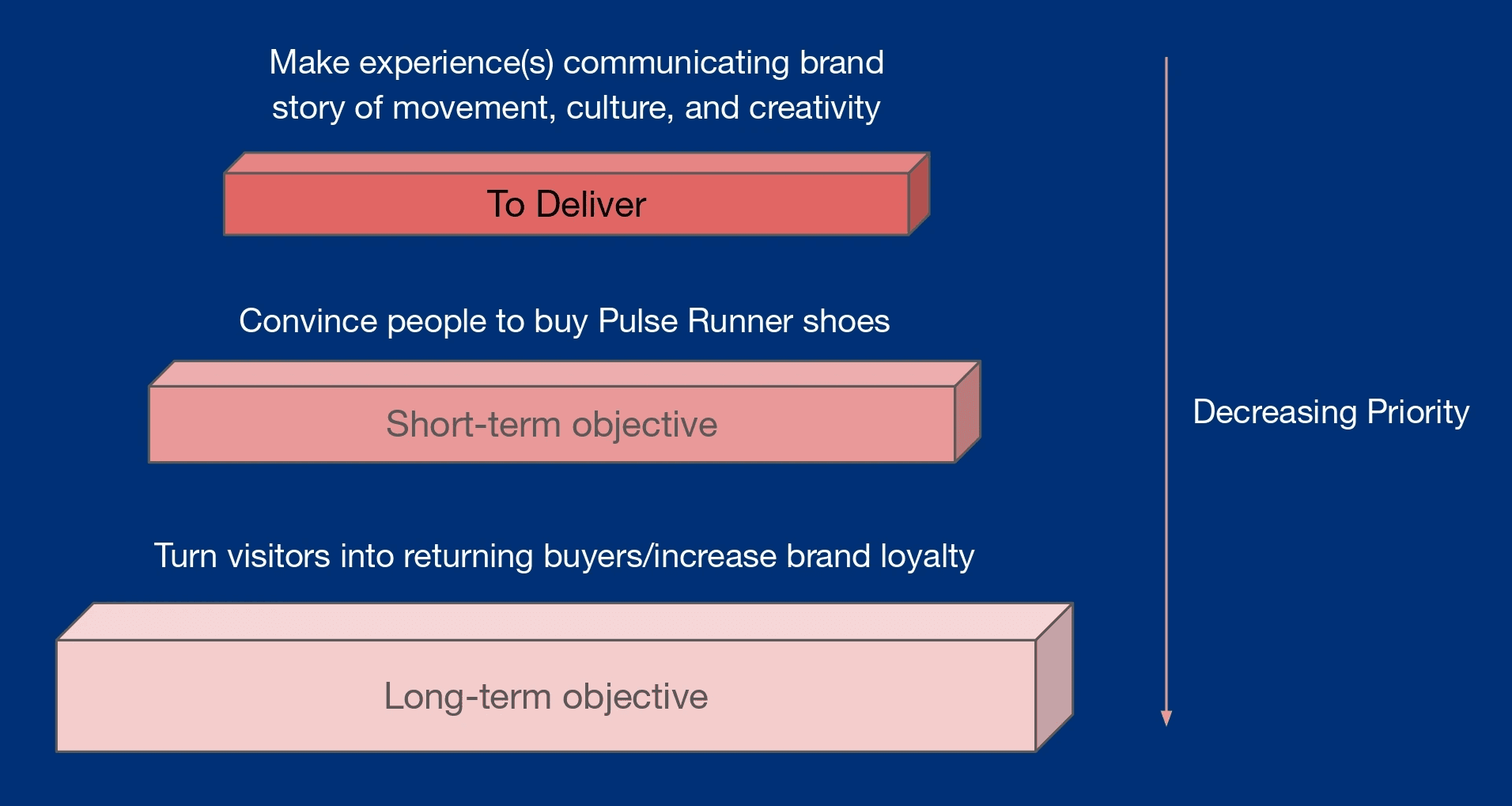
Before conducting discovery for the user space and further ideation, we will address the main objectives of this project. Making an experience that combines themes of FILA’s brand story and increasing Pulse product sales are the two most important goals here.
Understanding our audience
Our end users will define everything about this experience – from what pulls them in all the way to delivering suitable creative technology for the brand. But who are they?
Let’s lead with the assumption that we are primarily dealing with adults, given the shoe is also aimed towards the modern working adult who has a busy yet active lifestyle. This broadly includes ages 22 - 33 (working professionals that balance activity (running, jogging, gym visits, light hikes) and recreation (hangouts, non-demanding travel, etc.) We can focus on two profiles within this user group:
The Sneaker-head
Regular runner. Consistently exercises in their schedule.
Has knowledge of good shoes and is always looking to upgrade.
Has separate/special shoes for running and work. Does not mix the two.
Tries to improve running gait, speed, balance, and similar metrics
The Casual Shopper
Regular runner. Consistently exercises in their schedule.
Has knowledge of good shoes and is always looking to upgrade.
Has separate/special shoes for running and work. Does not mix the two.
Tries to improve running gait, speed, balance, and similar metrics
Finding a connection
Since we are building an experience for casual shoppers as well as sports enthusiasts, we need to find a connection between the collective audience and FILA. This is what pulls them in, establishes relatability, mobilises both first-time and returning customers, and acts as an anchor point for the ideation of experiences. In short, we need to know this to reach our previously stated goals.
Therefore, Why should people care about FILA? Why this shoe?
Approach:
We'll frame a brand message that resonates with the customers’ personal narrative using the brand story, shoe details, and user profiles.
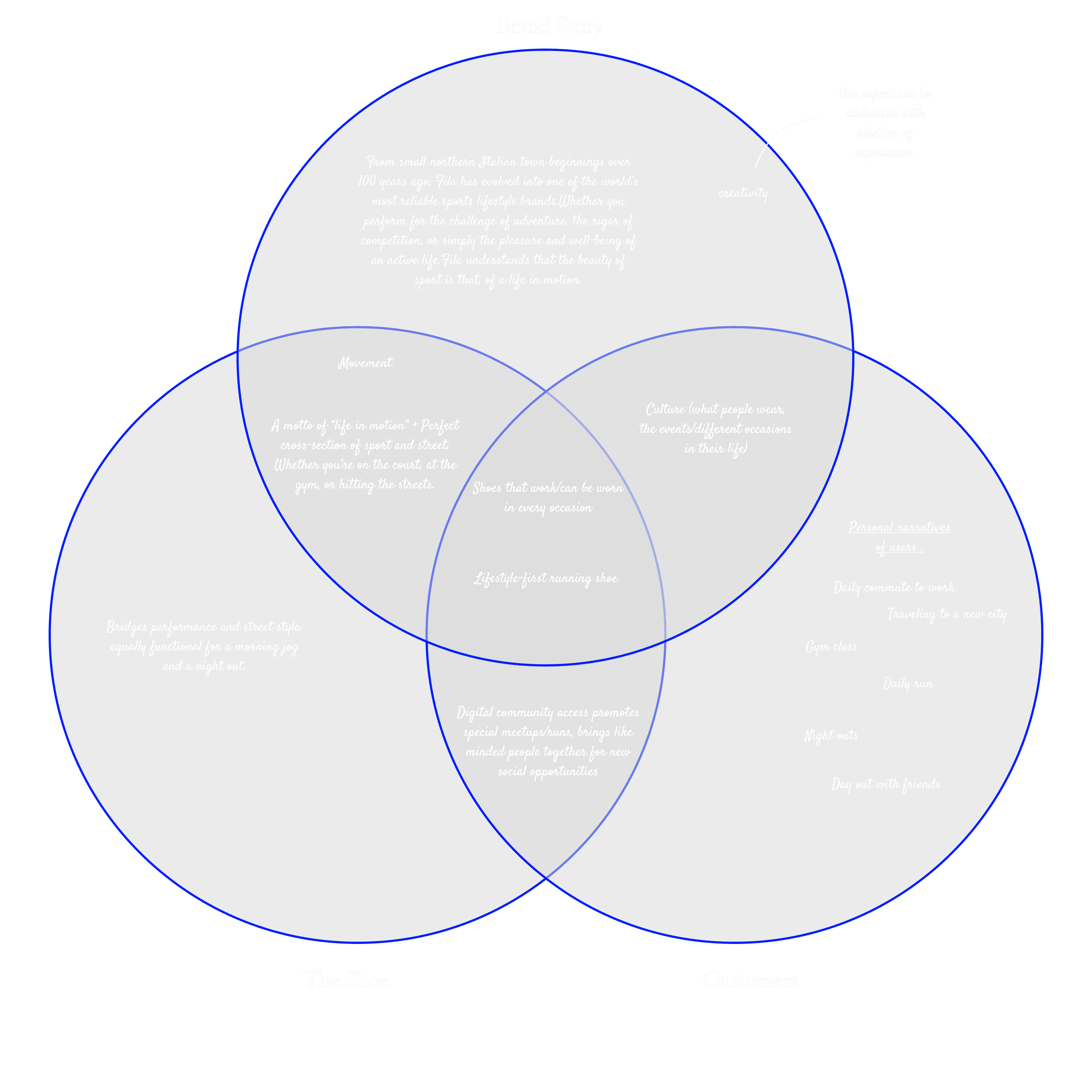
A common theme naturally comes up in the messaging: “No matter what occasion, FILA has that pair of shoes you can always trust.”
COMPETITIVE RESEARCH, TRENDS
In the wider business:
What are the latest kind of experiences being done for sports retail?
Some basic google searching reveals sports experiences widely apply AI (eg. generative systems) and often allow a component of personalisation for every person.
How can we differentiate and stay ahead of the curve?
Footwear stores are often short of space, in which case our 10m x 10m large space can be utilised to explore long-distance paths/spaces with the shoe. This can be combined with a generative feature to tap into a truly immersive journey.
For FILA:
What is our budget?
Since the brief has no current mention of the budget, this solution assumes no constraints as of now.
Has the brand done any past experiences? What can we learn from that? Do we have any past data?
After conducting some research on this, data on past brand experiences by FILA could not be found. This still remains an important enquiry for any brand we are marketing for.
Ideation
Every Beat of Life
Experience #1


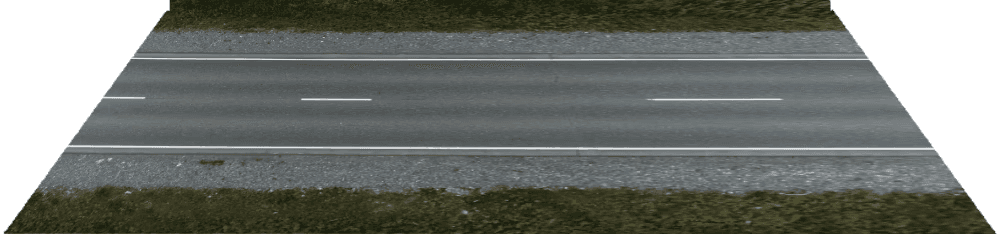
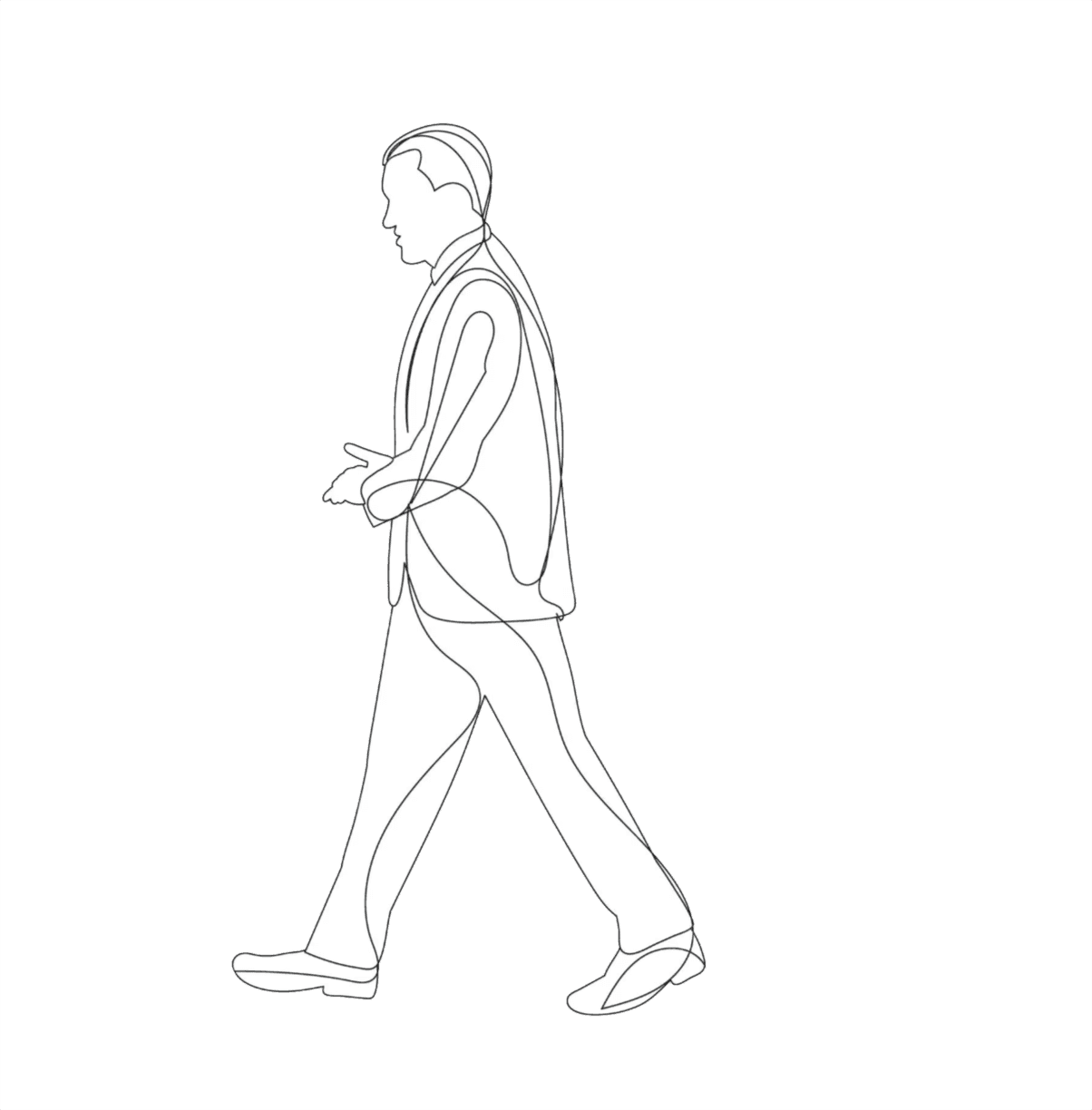
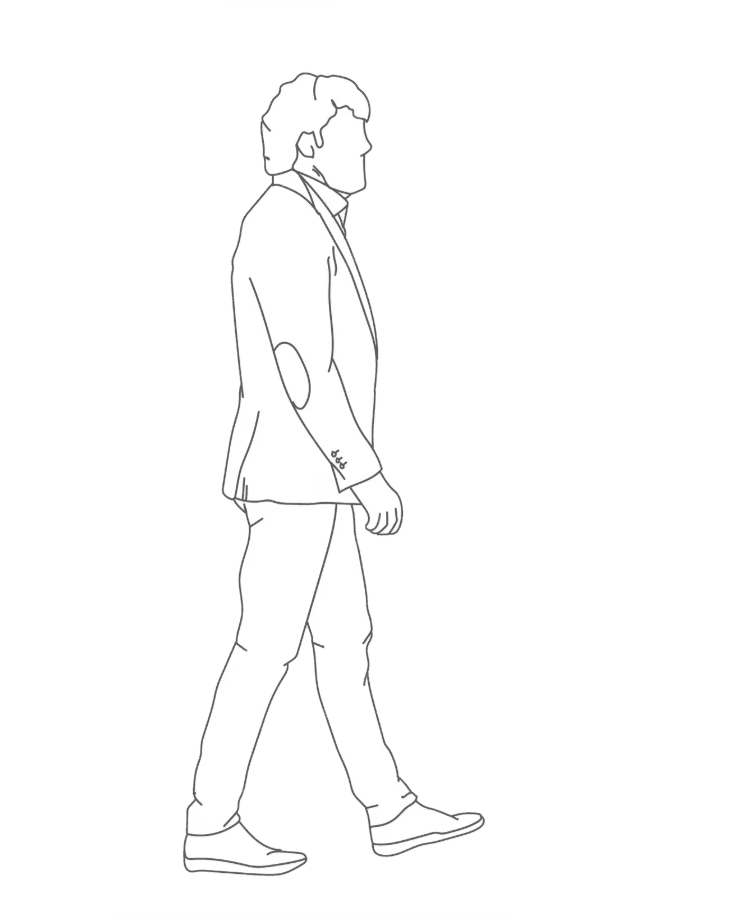
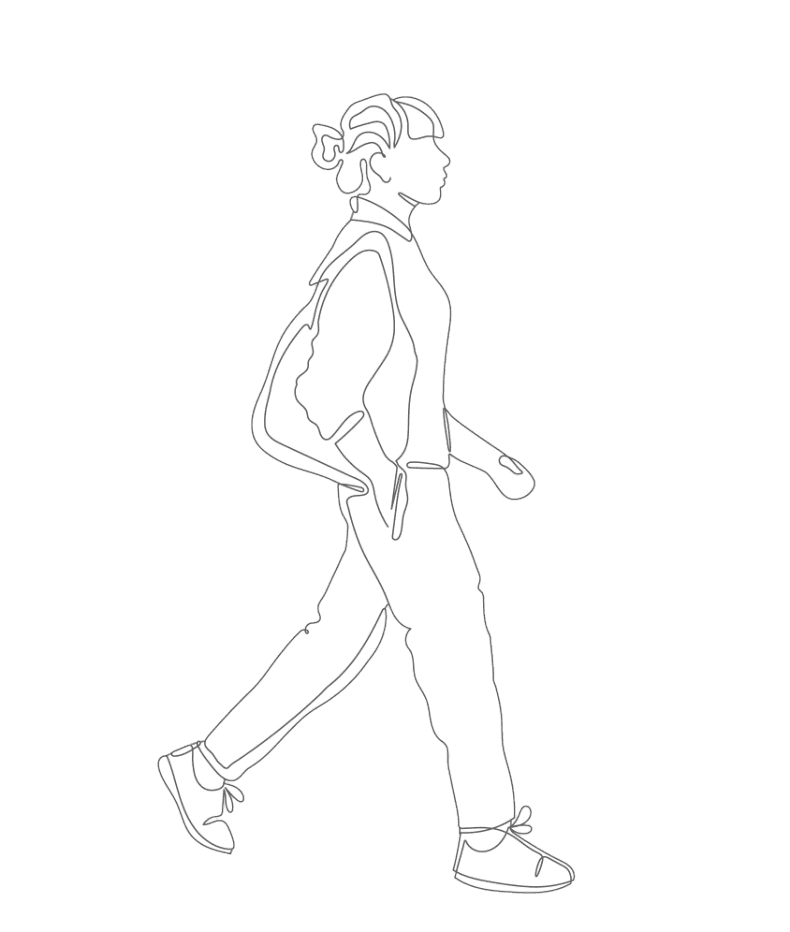
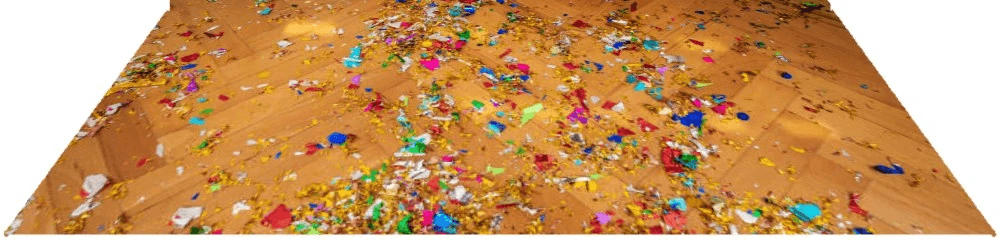
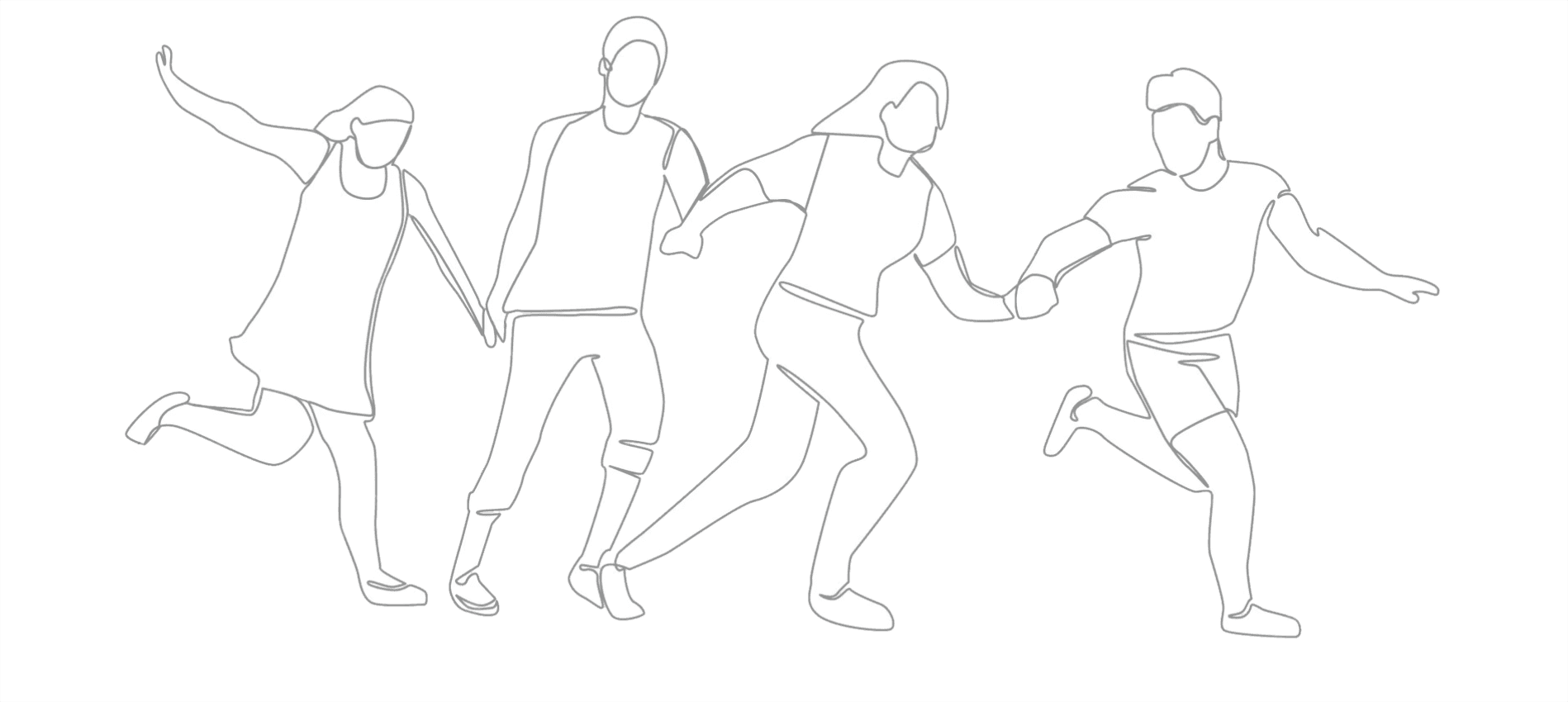
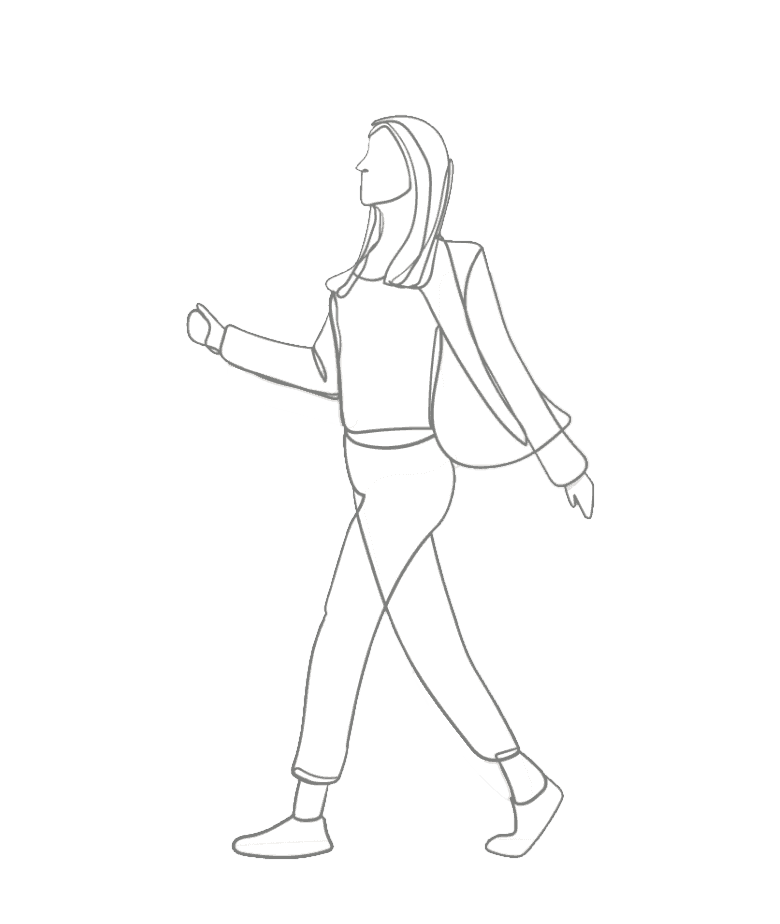
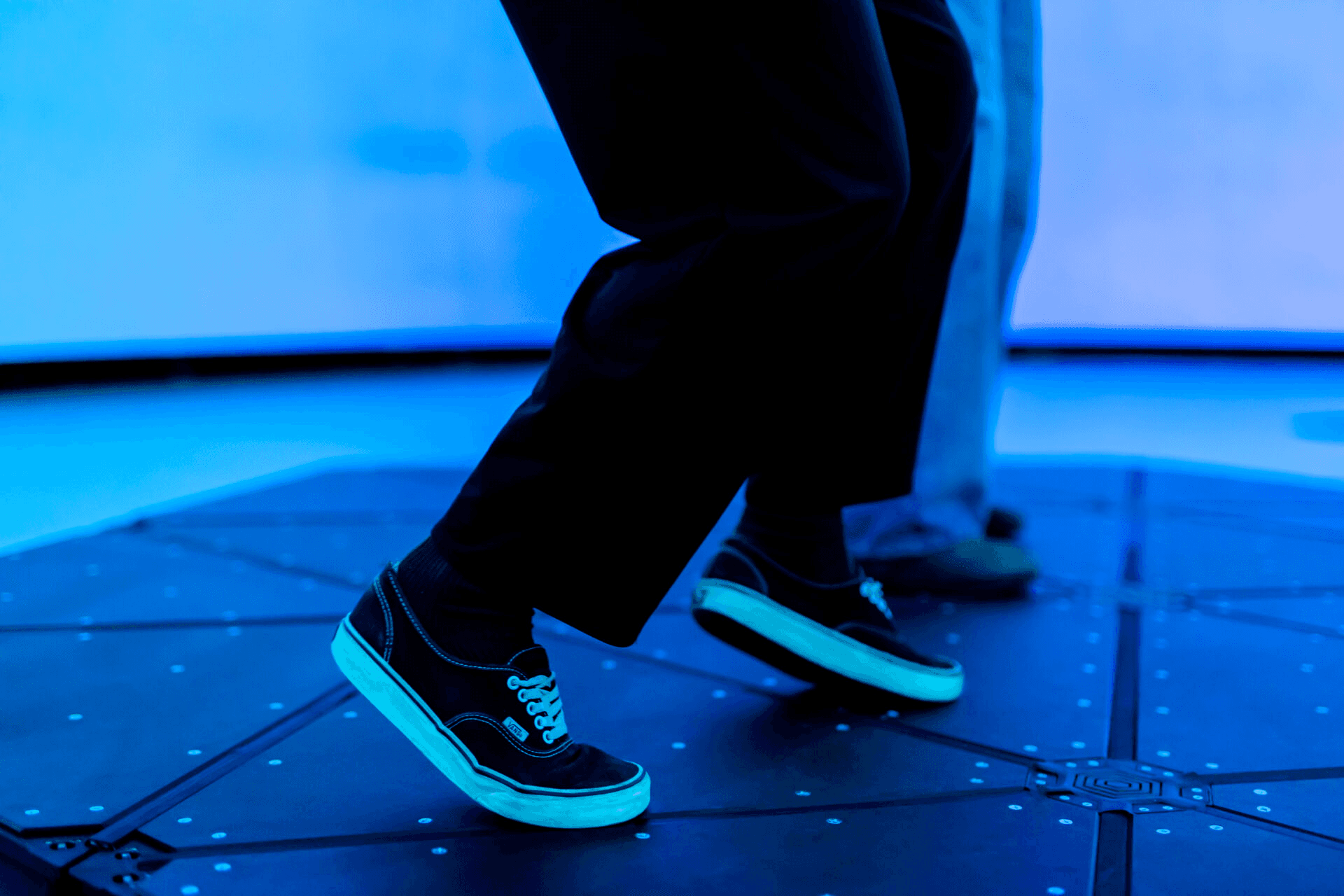
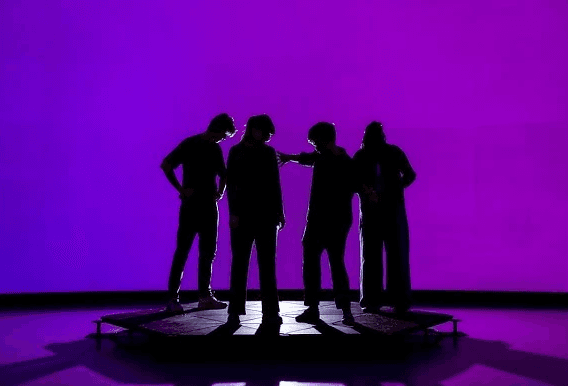
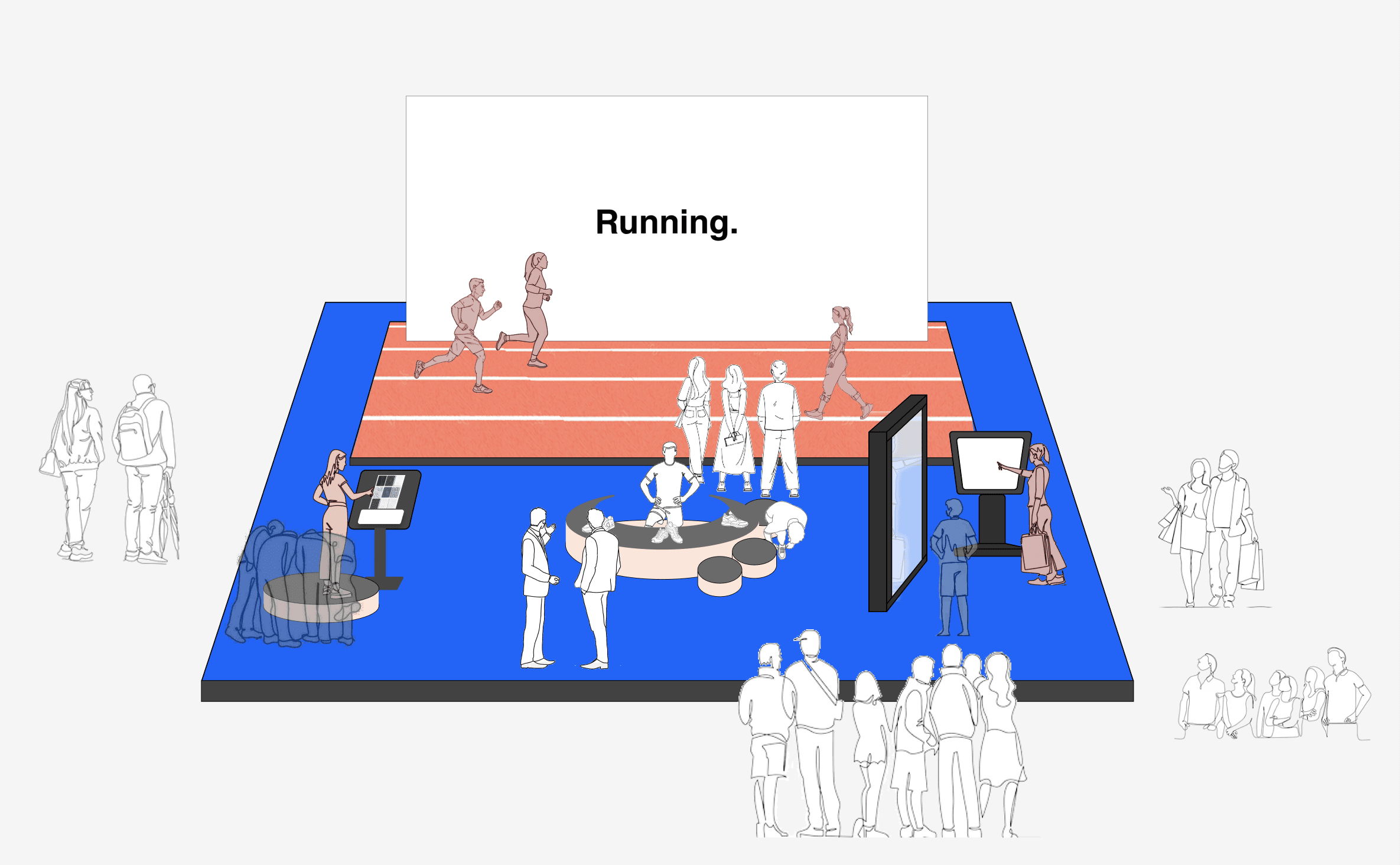
An interactive floor + LED screen identify and visualise any scenario in which Pulse Runner can be used. When customers move on the floor, while wearing Pulse, their motion and body posture is analysed to generate a space/location around them. The prediction is identified in realtime on a large screen adjacent to the floor. Whilst participants engage with all kinds of motion on the floor in their shoes, distant passersby are drawn in by the dynamic screen (main hook for all onlookers).
If a customer starts running across the floor, they see a running track unfolding in front of them. Jogging creates a ground similar to a road/street layout. Or, invite multiple people! Explore any activity in Pulse and imagine it with you in every occasion, every place (drives home brand message).
Feel the Pulse
Experience #2
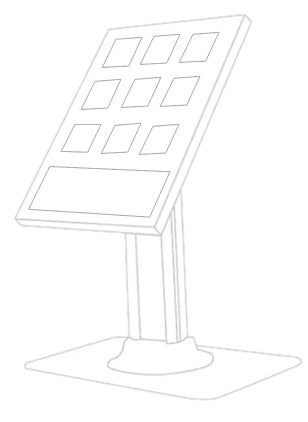
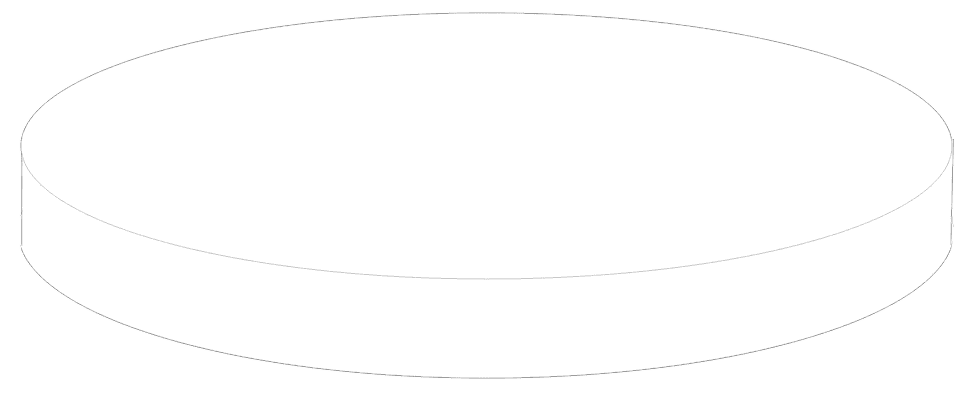
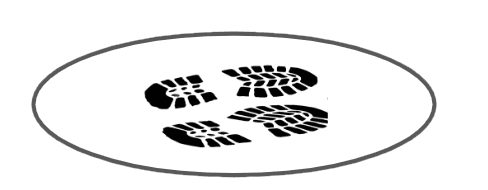
3x3 Grid of textures
(Made using Nano Banana)
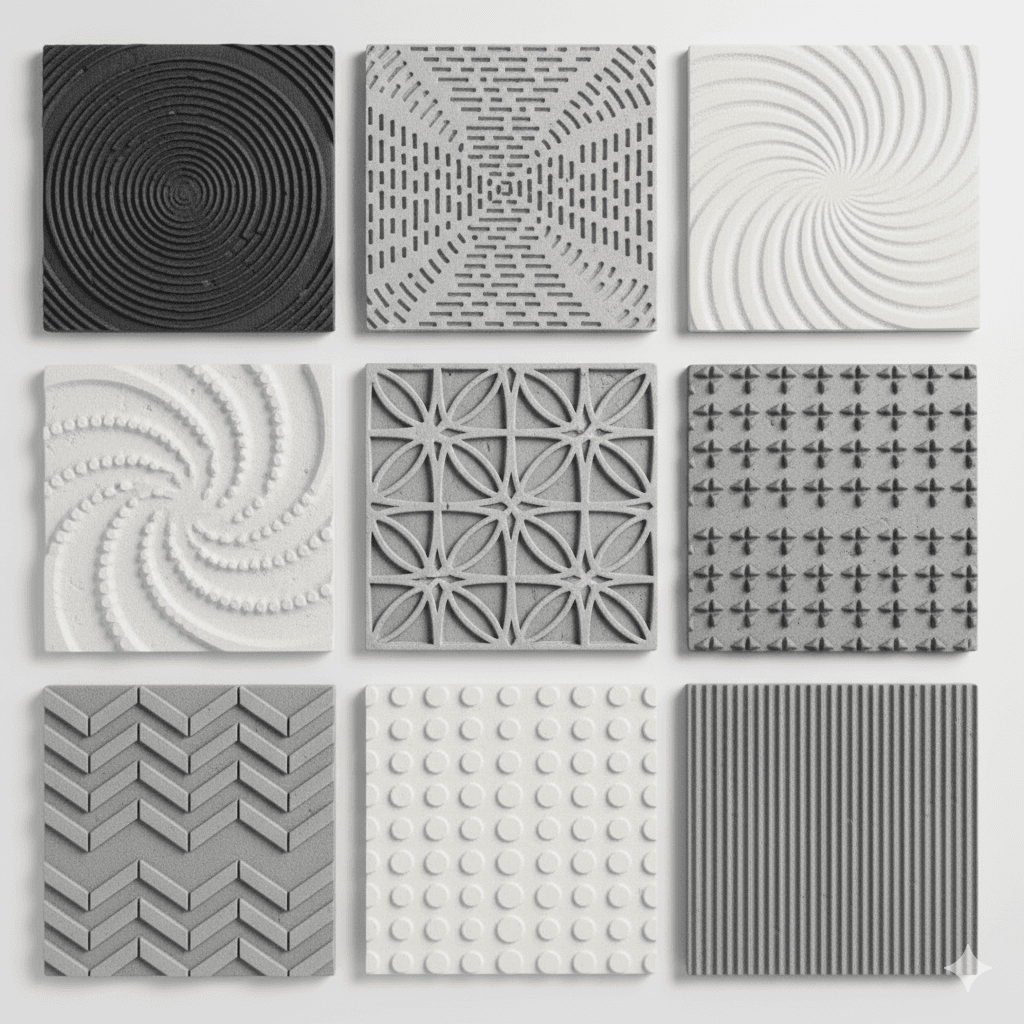
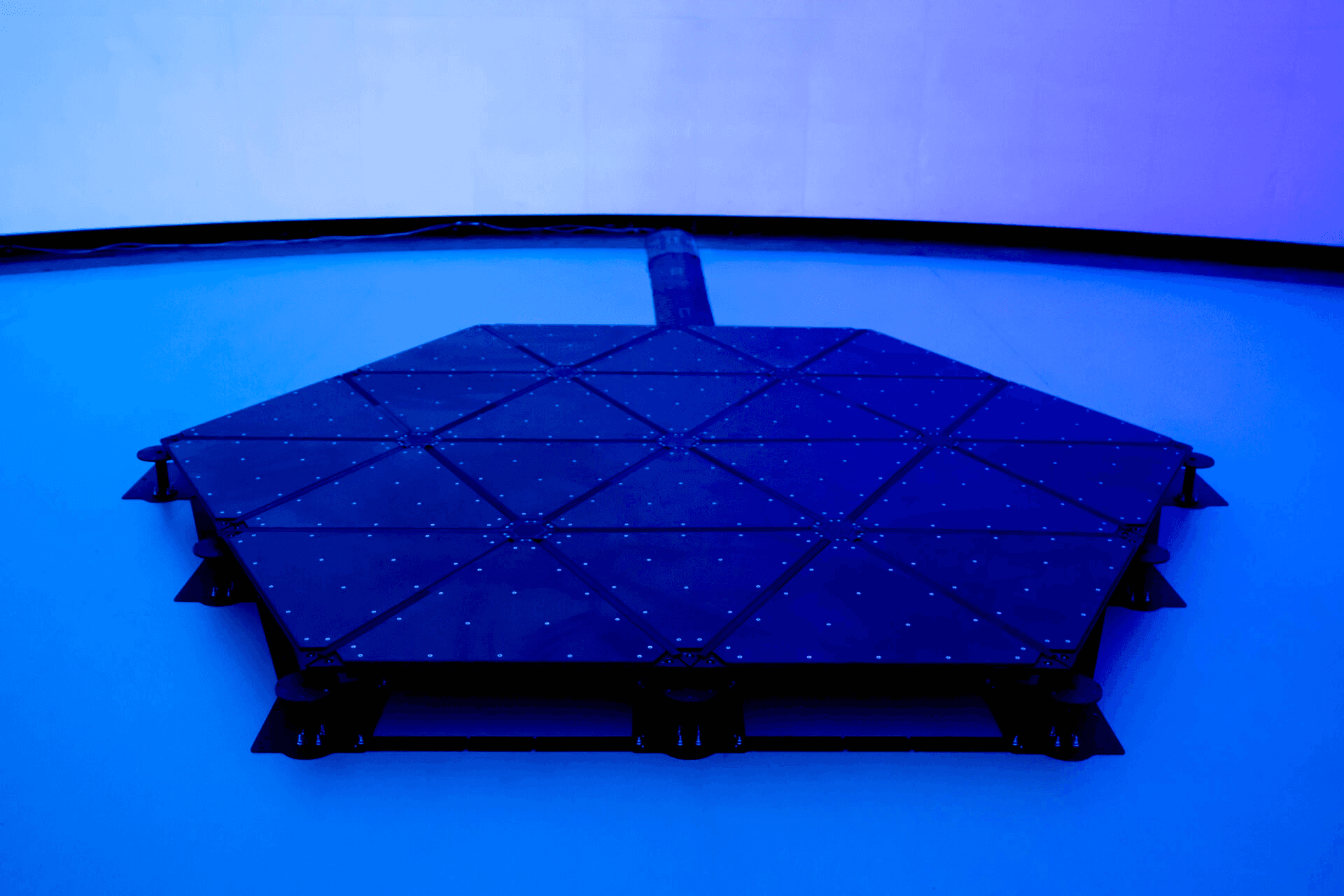
Example Look/Feel (inspired by a real life implementation)
weAR your style
Experience #3
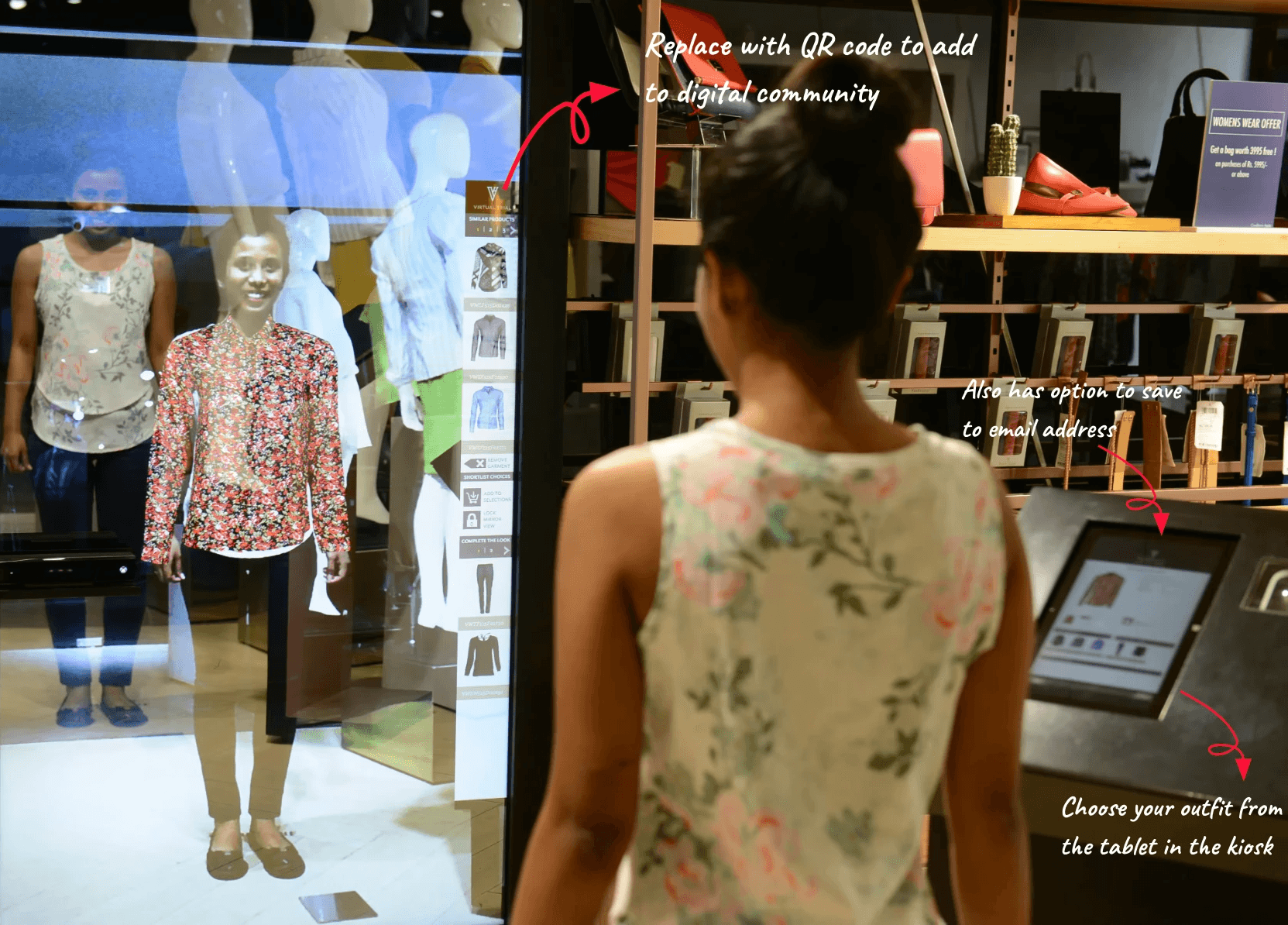
This experience allows customers to envision any outfit of choice, with FILA’s shoes, in an AR mirror. Customers can now associate events, festivals, and social scenarios with Pulse – shoes trusted in every moment of life.
For potential buyers and sneakerheads: Add your creative outfits to your digital community using the exclusive QR code in your box. Earn points for showcasing your community’s aesthetics, and grab a discount on FILA’s new shoe products.
For potential customers (no purchase) or casual shoppers: Save your AR outfits to your email for future reference; come again to a FILA factory outlet with any specific look in mind. (Conversion to returning customer)
FLOOR PLAN
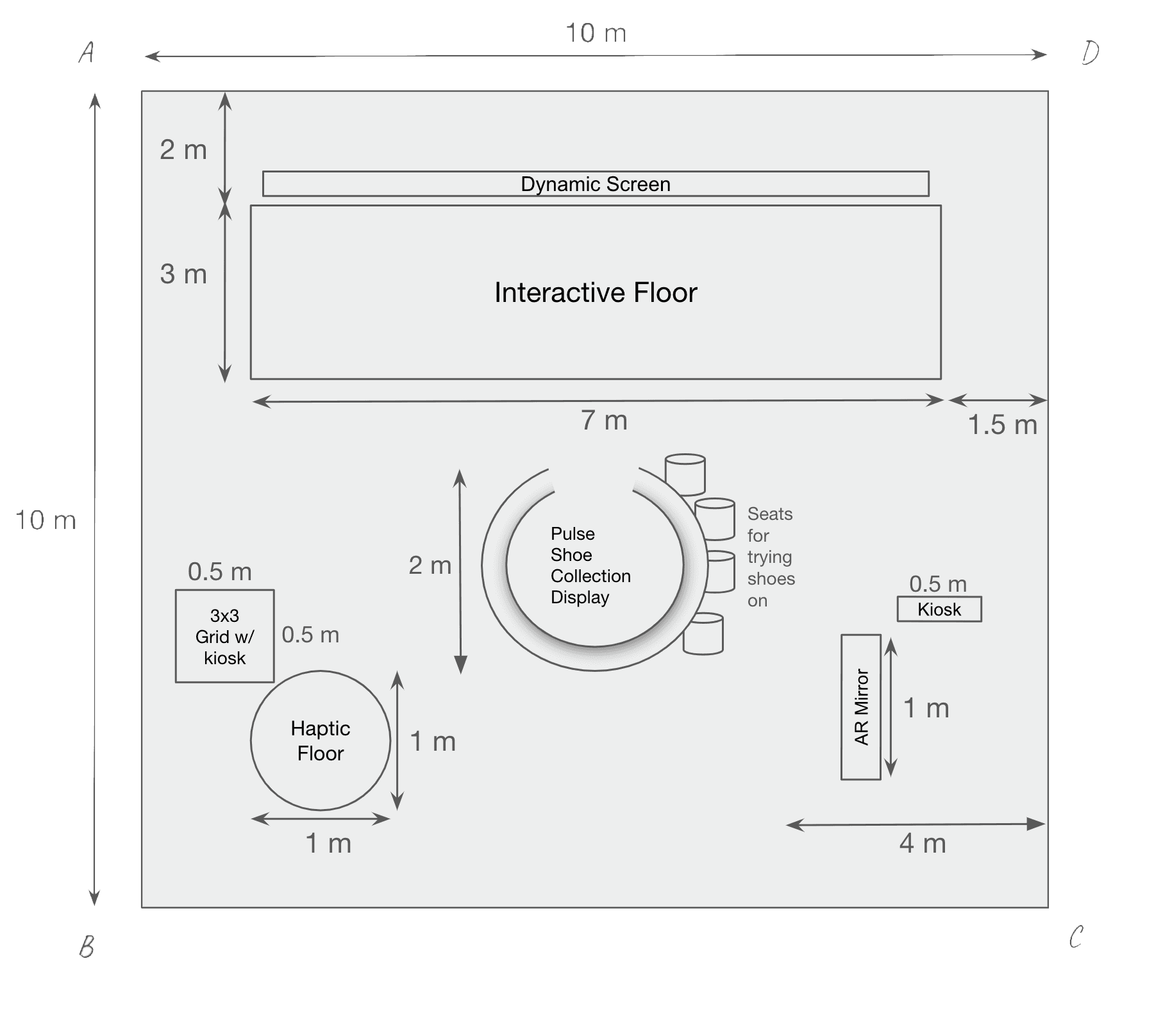
Residual spaces of 1 or 2 metres are left to maintain space for moving around, have some margin for equipment/wiring/setup, etc.
An alternative can be having stanchions along the entire length of AB and DC, that can ensure a fixed physical journey (interested people coming from any direction have to go through one designated entry and exit point).
All of the above is speculative work in response to a hypothetical brief by an example brand. I am not affiliated with the company, nor is this work intended to represent a real product made by the company, and is just a work of fiction.